


Your Home, Your Independence: Living Alone with Limited Mobility
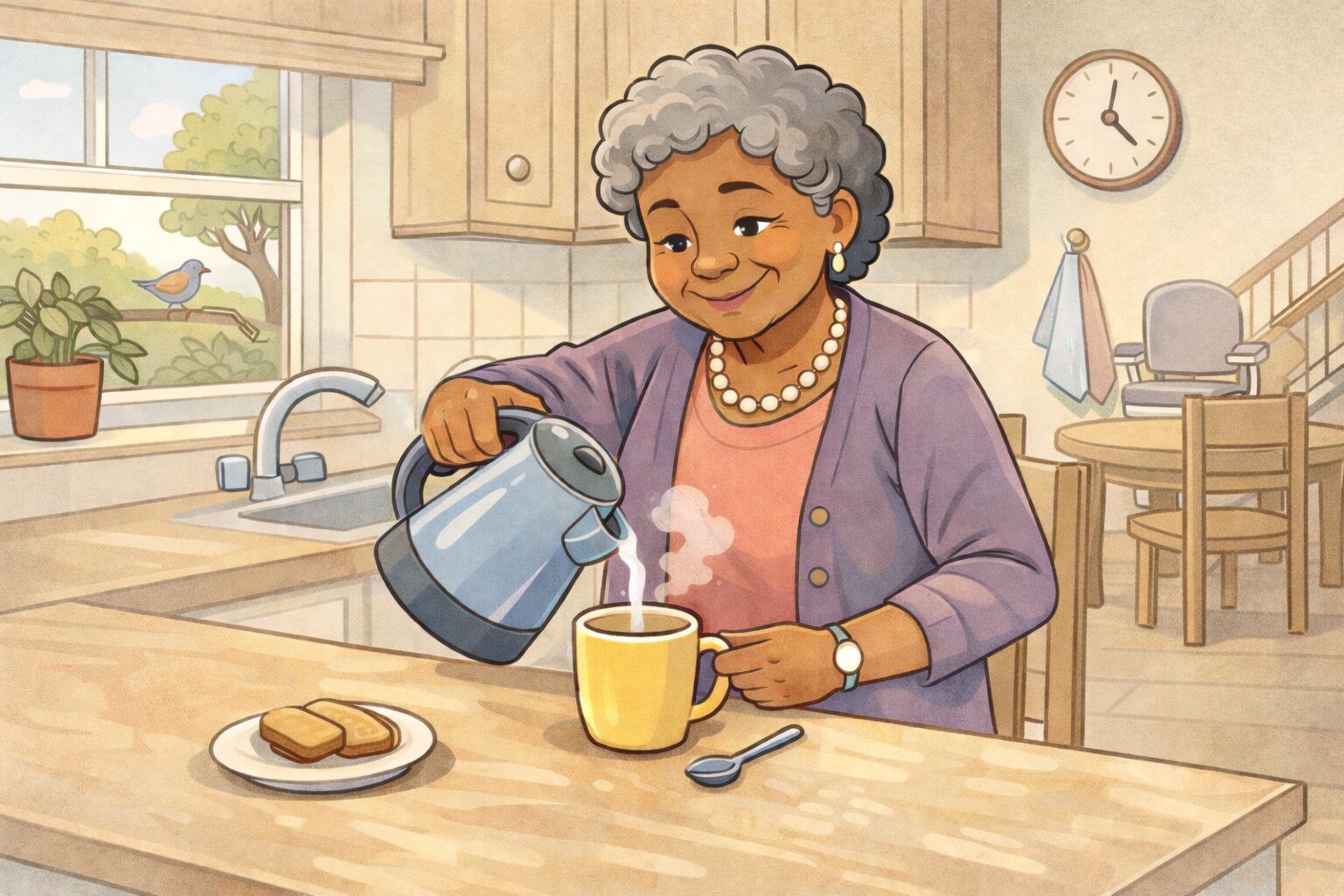
Living alone with limited mobility can feel daunting at times. Everyday tasks may take more effort, and concerns about safety or independence can weigh heavily – both for you and for your family. The good news is that with thoughtful planning, the right mobility aids, and a few practical home adaptations, many people across the UK continue to live comfortably, safely, and confidently in their own homes.
Across the country, millions of older adults live alone, often while managing long-term conditions that affect movement, balance, or energy levels. This makes it more important than ever to create a home environment that supports independence rather than limits it.
Understanding the Challenges of Living Alone
Limited mobility affects everyone differently, but there are several challenges commonly faced by people living on their own:
- Reduced balance or flexibility, making bending and reaching more difficult
- Joint pain or muscle weakness that causes fatigue or slower movement
- Fear of falling, which can impact confidence and reduce activity
- Difficulty managing household tasks such as cooking, laundry, or cleaning
- Feelings of loneliness or isolation, particularly if getting out becomes harder
Recognising these challenges is a positive first step. With the right support in place, it is entirely possible to reduce risks and remain independent for years to come.
Everyday Aids That Support Independence
There are many simple, affordable aids that make daily life easier and safer when mobility is limited. Small changes often have the biggest impact.
Useful daily living aids include:
- Compact rollators with seats: These provide stability while walking and a convenient place to rest when you feel tired – both indoors and out. Regular gentle movement supports circulation and strength, and a rollator can make staying active feel safer and more achievable.
- Bed and chair risers: Standing up from low furniture can be uncomfortable or even painful. Raising seating and bed height reduces strain on hips and knees, making movement easier and safer.
- Reachers and grabbers: A simple yet invaluable tool that allows you to pick up dropped items or reach shelves without bending or overstretching. Keeping one in each main room can prevent unnecessary strain.
- Easy-to-use telephones: Large-button phones with clear displays make staying connected simple, even if vision or dexterity is reduced – an essential reassurance when living alone.
Staying Safe and Comfortable at Home
A few thoughtful adjustments around the home can significantly reduce the risk of accidents and improve peace of mind:
- Keep walkways clear of clutter and loose rugs
- Improve lighting, especially on staircases and hallways
- Use non-slip mats and grab rails in the bathroom
- Choose supportive seating and cushions to reduce stiffness
Comfort is just as important as safety. Furniture that supports good posture and reduces pressure on joints can make a real difference to how you feel day to day.
Managing Stairs with Confidence
For many people, stairs are one of the biggest obstacles to staying independent at home. Reduced mobility does not mean you have to stop enjoying your entire house.
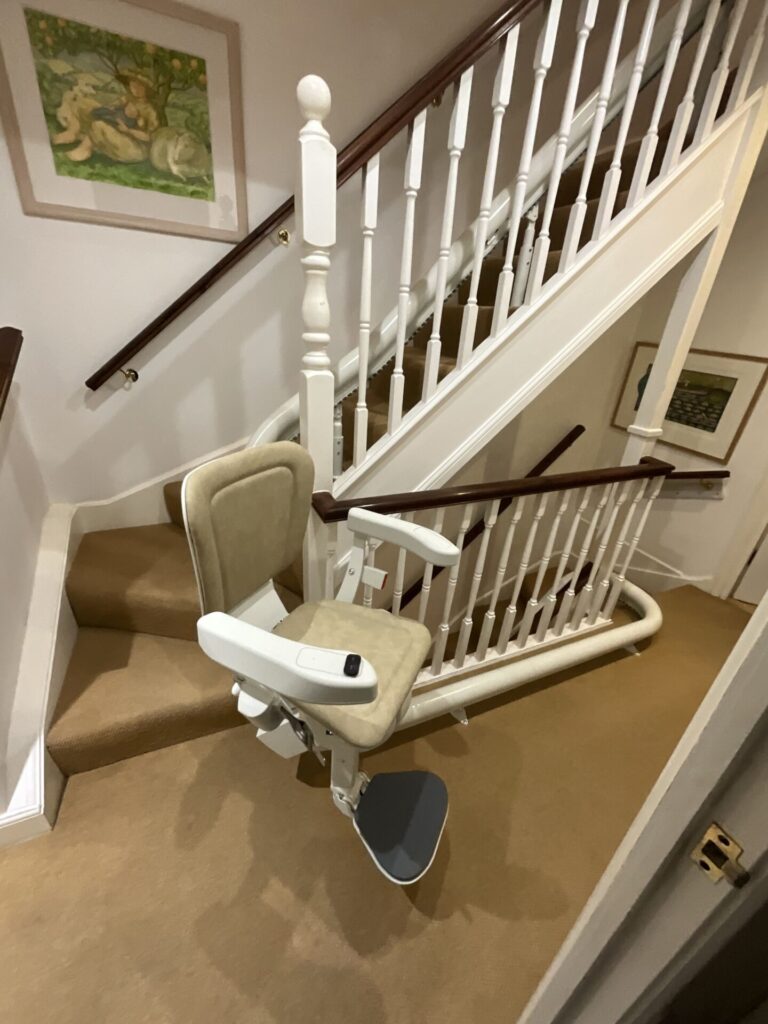
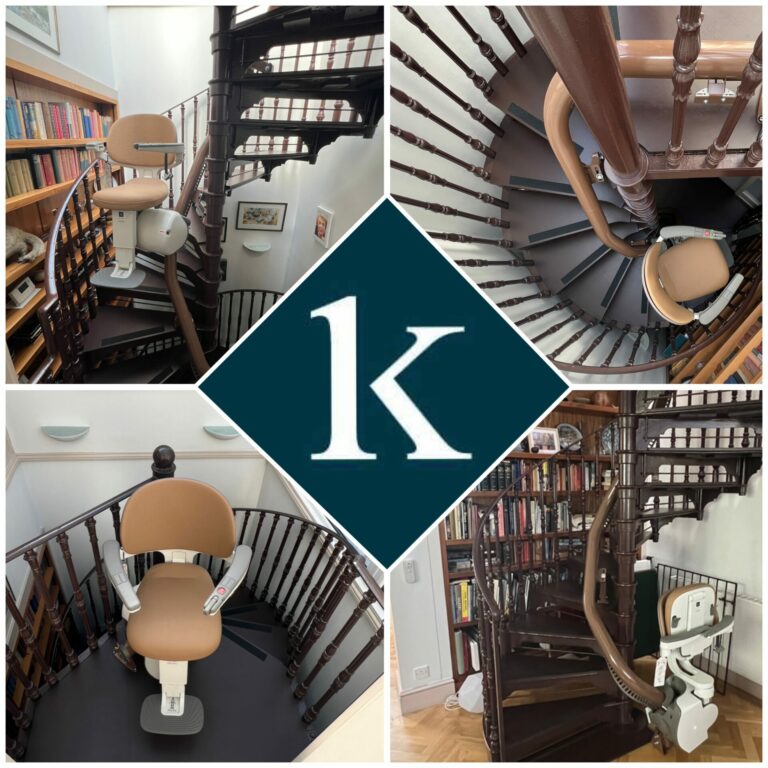
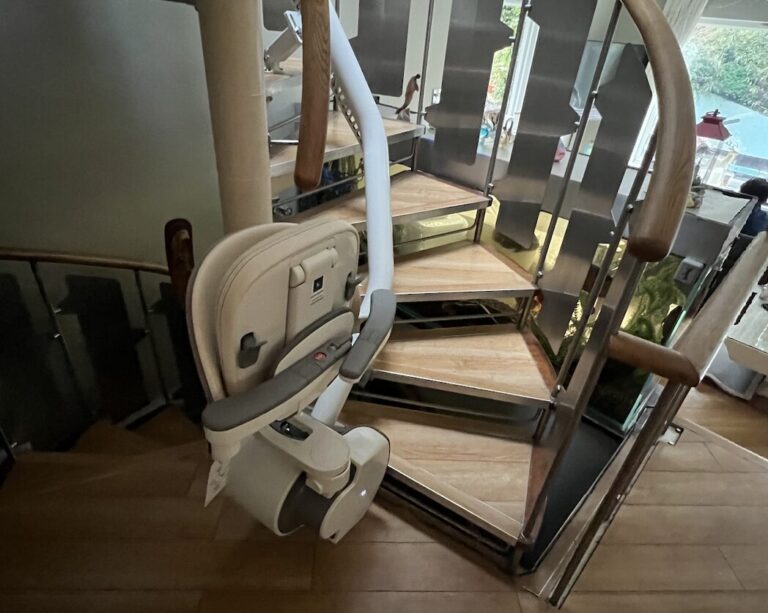
A professionally installed stairlift can remove the daily stress and risk associated with climbing stairs, allowing you to move between floors safely and comfortably. At Kudos Stairlifts, we specialise in installing reliable stairlifts tailored to your home and needs – always fitted by our own experienced engineers, with ongoing aftercare and support you can rely on.
Planning for the Unexpected
When you live alone, preparation brings peace of mind. A simple safety plan can make all the difference:
- Keep emergency contact lists by each phone
- Ensure mobility aids and medication are easy to access
- Check smoke alarms and mobility equipment regularly
- Share spare keys with a trusted neighbour or family member
These small steps offer reassurance not only for you, but for those who care about you.
Staying Connected, Not Isolated
Independence does not mean being alone. Maintaining social connections is vital for emotional wellbeing and confidence. Regular phone or video calls, visits from friends or family, and involvement in local community groups can all help you stay engaged and supported.
Supporting Independent Living with Kudos Stairlifts
Living alone with limited mobility comes with challenges – but it does not have to limit your quality of life. With the right aids, home adaptations, and support, independence is entirely achievable.
If stairs are becoming a worry, Kudos Stairlifts is here to help. We pride ourselves on exceptional customer care, expert installation, and dependable aftercare – so you can continue living safely and comfortably in the home you love.
Contact us today to explore your options and take the first step toward greater independence. Choose confidence, choose care, choose Kudos Stairlifts.
OTHER USEFUL LINKS
⇒ Accreditations for Stairlift Suppliers – why these matter
⇒ ‘The Importance of Being Honest’: make sure you don’t fall for fake stairlift comparison sites
⇒ Your Stairlift Journey – What to Expect
⇒ Your Trusted Refurbished Stairlift Buying Guide
Contact our Client Focus Team today to discuss how a stairlift can improve and protect the quality of life for you and your family.
Choose from a range of industry-leading curved or straight stairlifts, suitable for almost any staircase and expertly installed by our own engineers.
Call us now on 0800 1522400 to arrange your free, no obligation survey and quote, or to ask any questions you may have.